
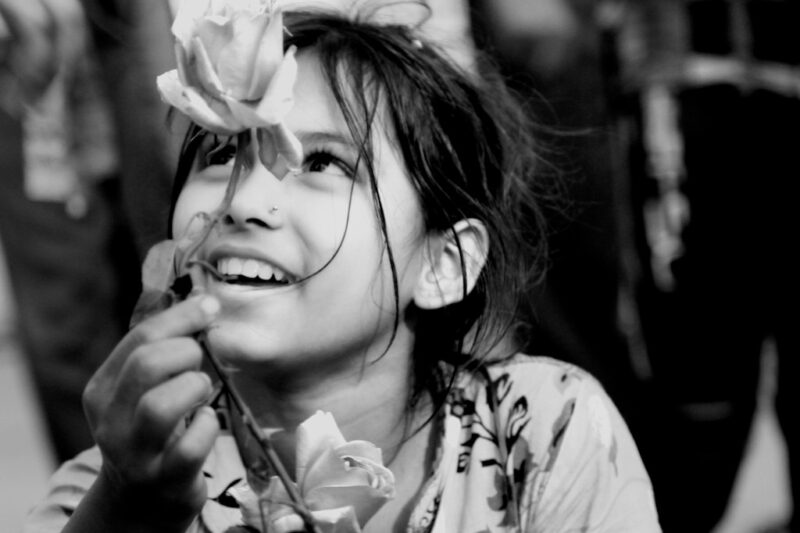
Flowers and children have rights to grow up with freedom!
DREAMLESS CHILDREN
An interactive documentary on the life and rights of marginalized children, who don’t get proper education, and live under the poverty line.
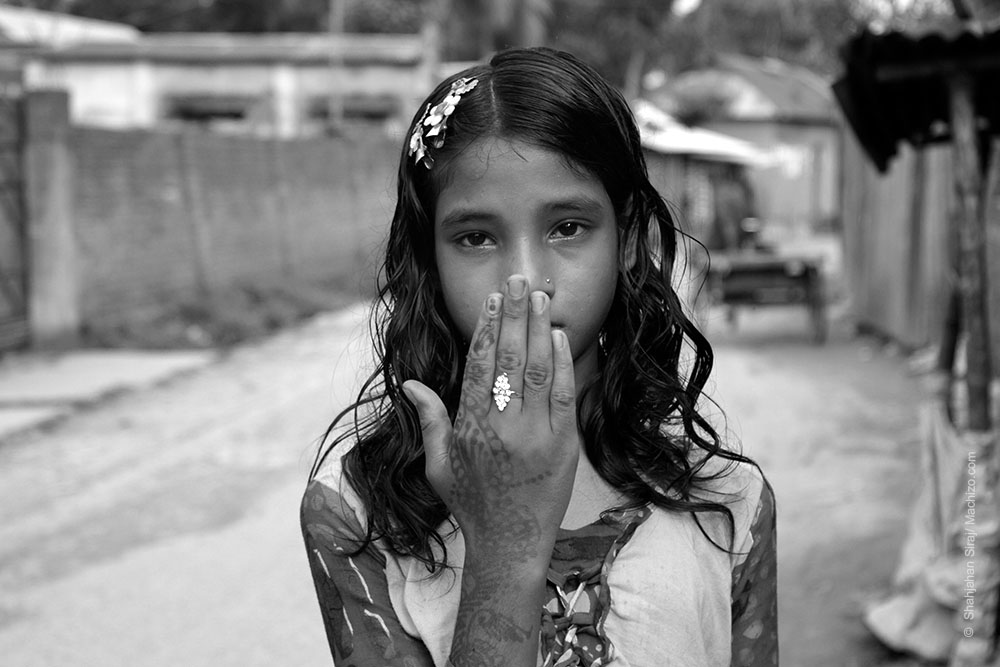
- 1 billion children worldwide are muti-dimensionally poor – without access to education, health, housing, nutrition, sanitation, or water.
- 356 million children are living in extreme poverty, forced to survive on less than $1,90 a day
- Children are more than twice as likely to live in poverty than adults
- Children from the poorest households die at twice the rate of their better-off peers(Source: UNICEF)
An estimated 356 million children live in extreme poverty.
The marginalized poor children could be classified in many ways. But their common reality- is they don’t get proper food, nutrition, education, health and sanitation, safety and security facilities which are needed for all humans.
In Bangladesh, perfective to express the stories I have divided them into five types which are Dalit Adivasi, Street Children, Rural Poor Children, Climate Orphan, Ruhinga and By a Born Refugee.
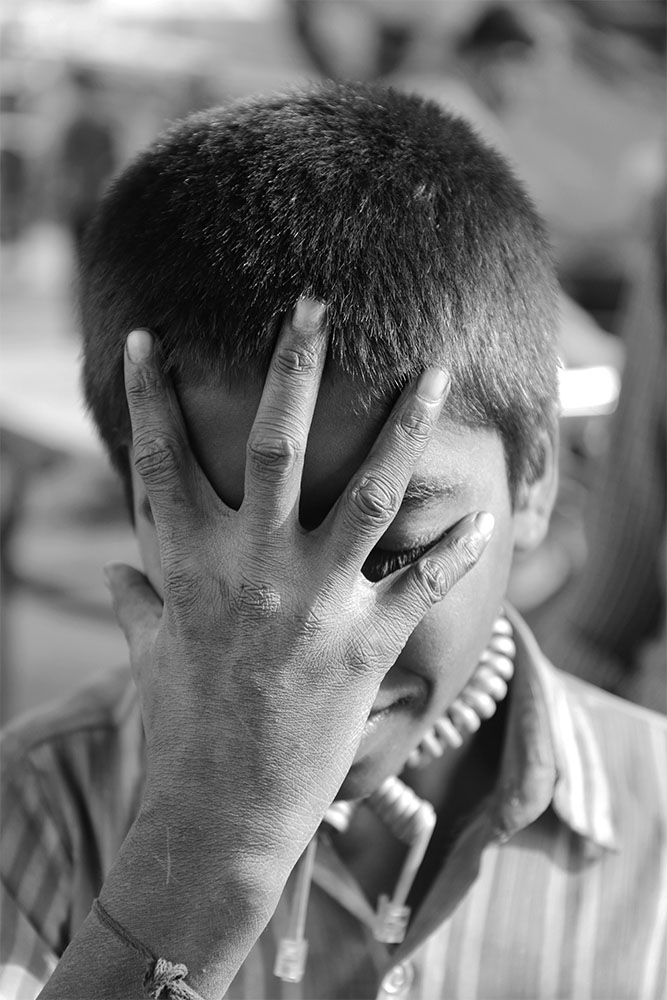
Children are growing without knowing the world. It needs find the solutions with the education, unless it will not be sustainable.
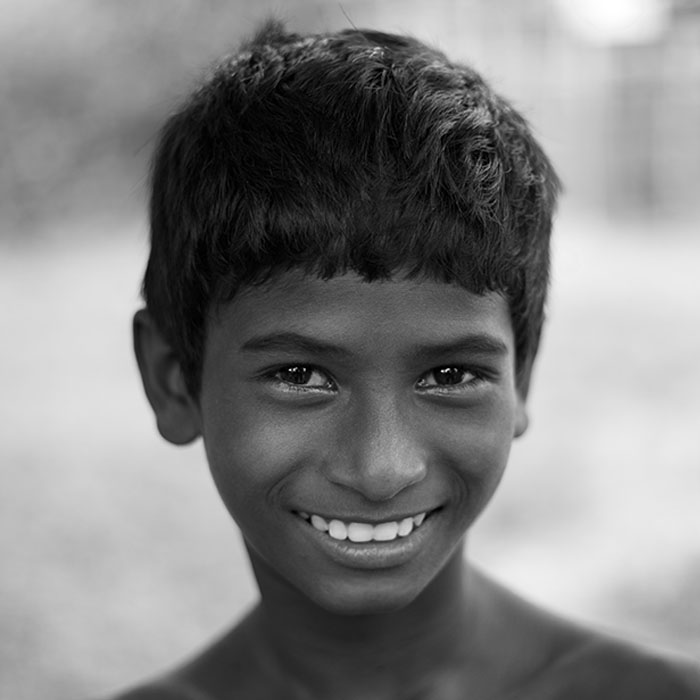
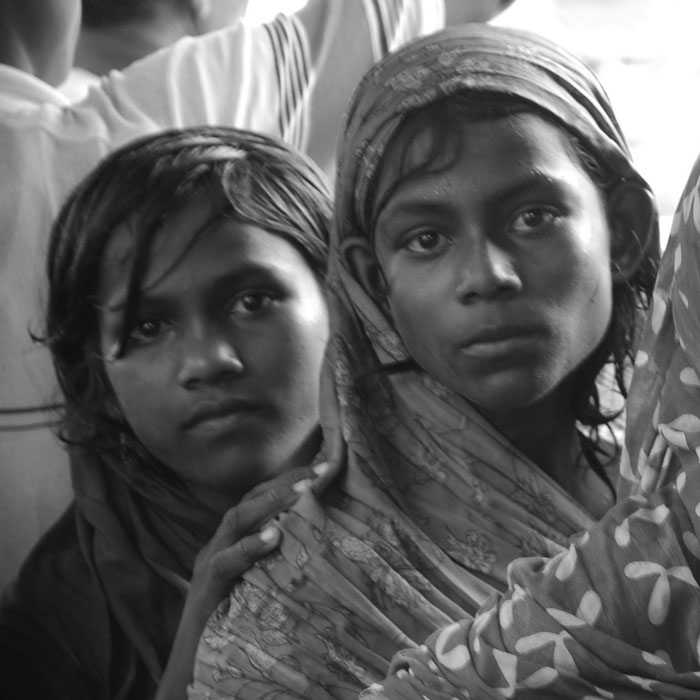
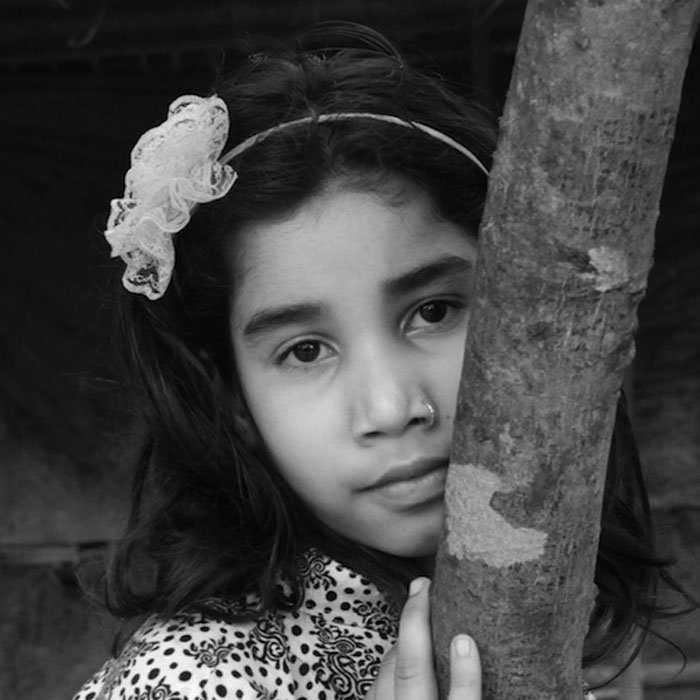
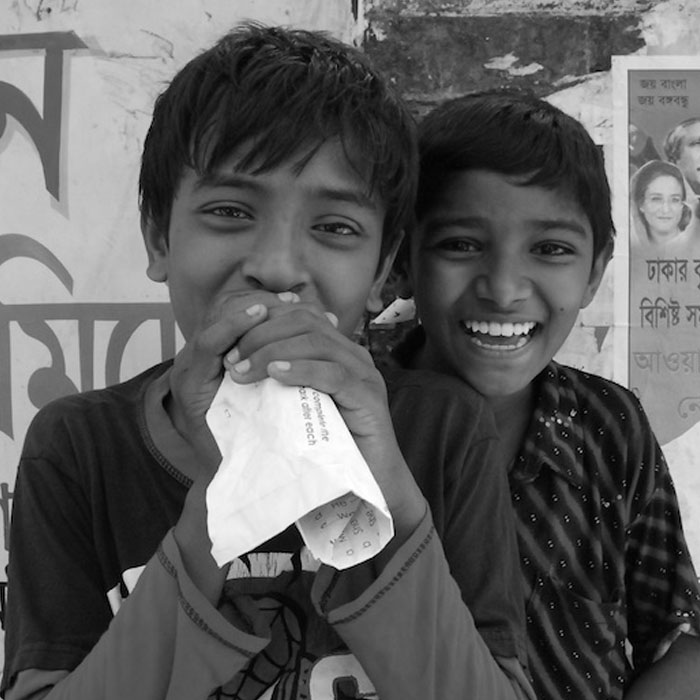
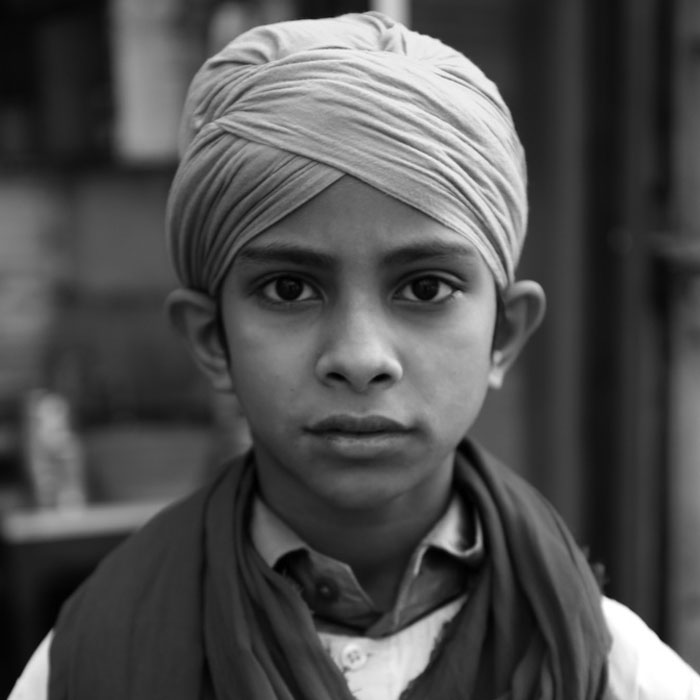
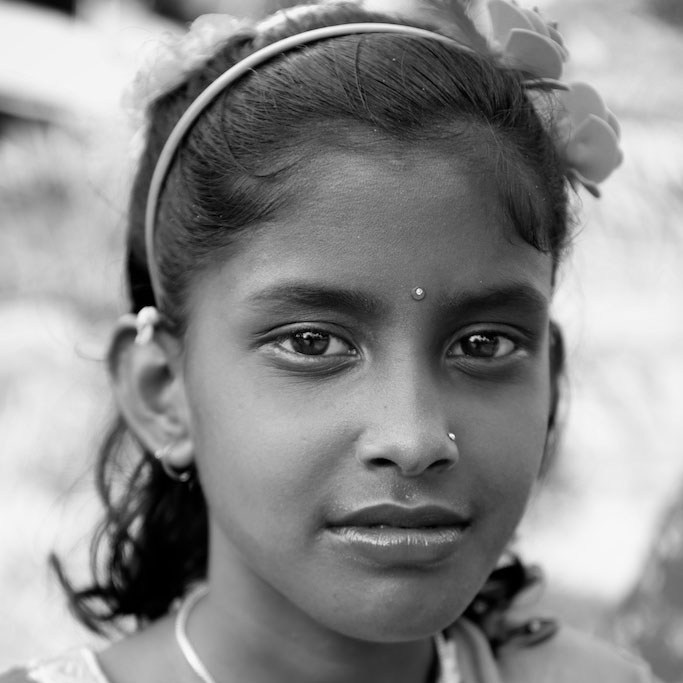
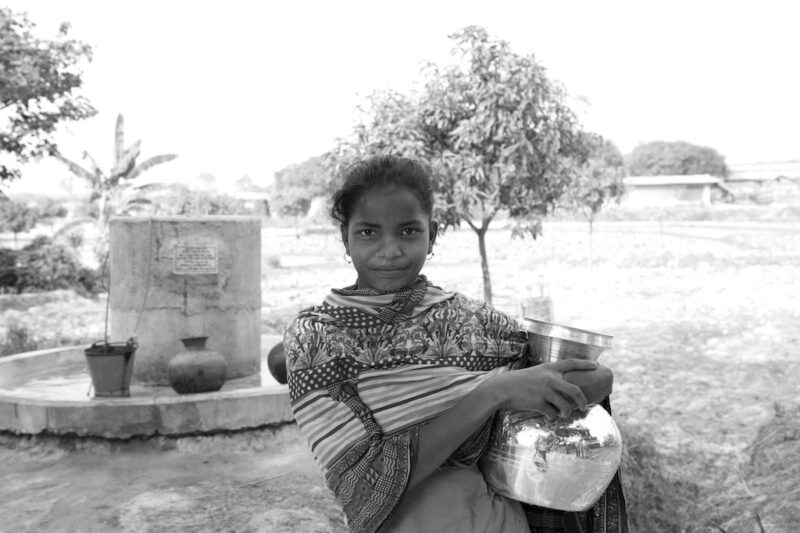
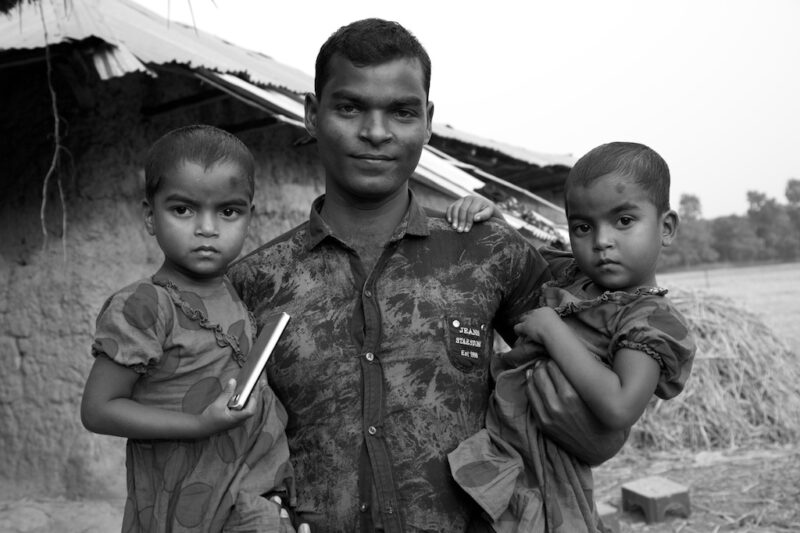
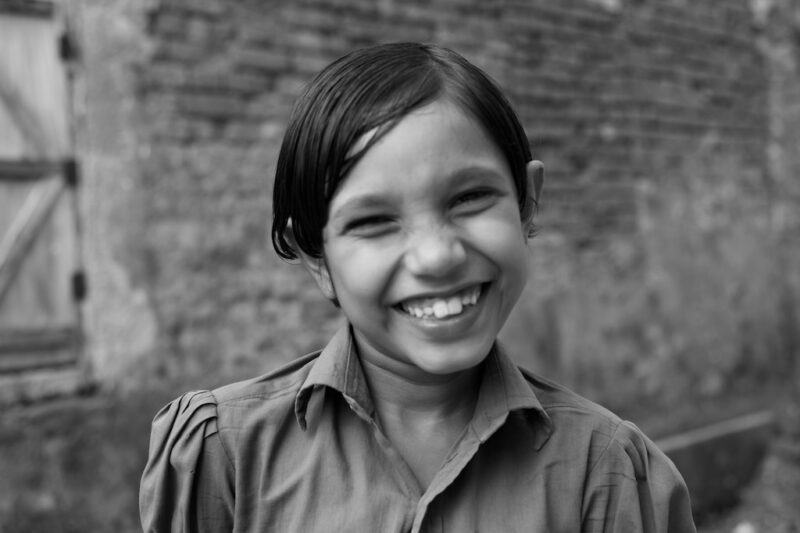
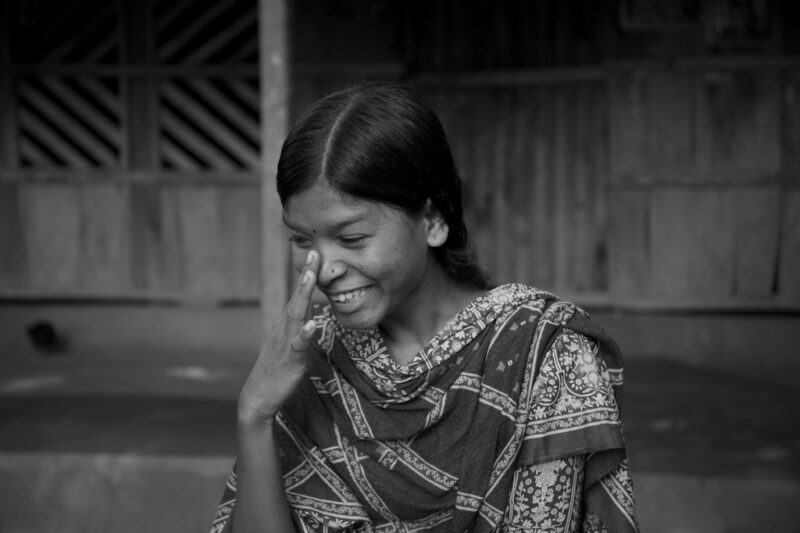
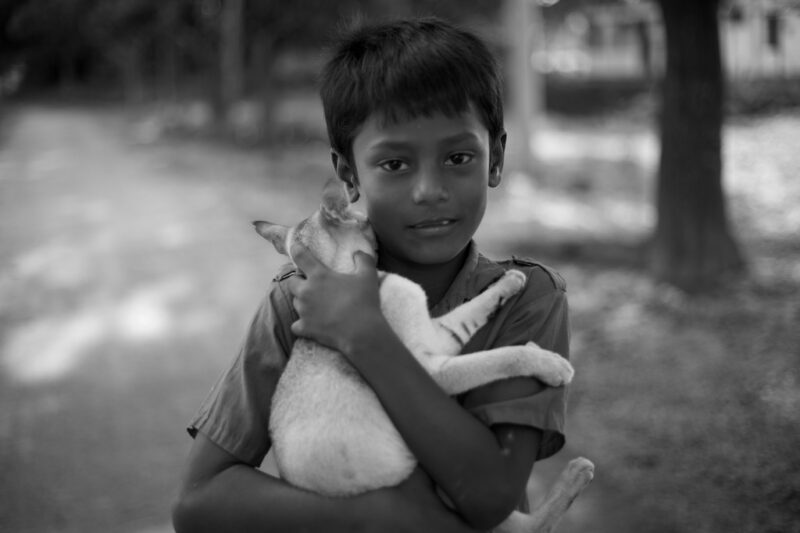
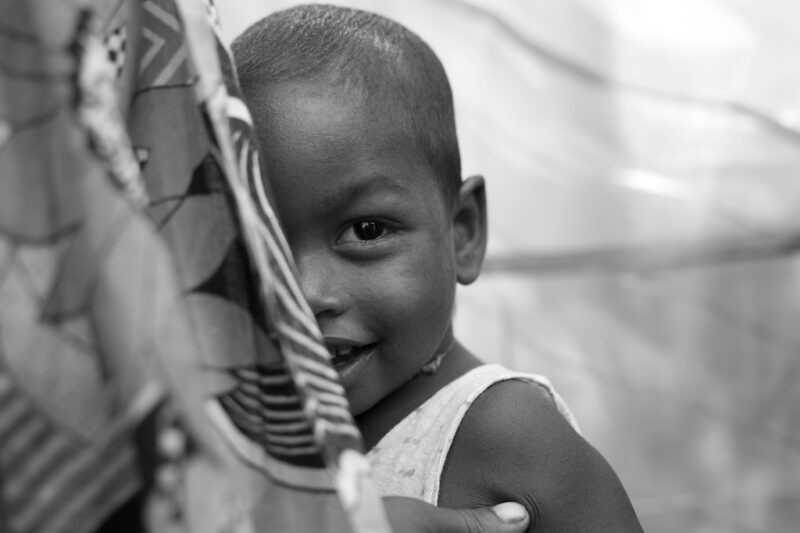
Dalit Adivasi Children
Cannot go to school!
Adivasis-Dalits are illiterate, poor, backward, landless, underdeveloped, and inferior. This is a common perception about Adivasis in Bangladesh and South Asia. Crude reality, the Adivasis are not warmly welcomed in school. For hundreds of years, parents could not send their children to school because of the curse of poverty and the caste system.
In British colonial times, the caste-cultural and religious walls were visible, but they are now invisible due to the Adivasis’ lower socio-economic and cultural positions.
‘Education for All’ with this national campaign, after many years, the literacy rate of Bangladesh increased to 74%, but the rate remained within 9.70 to 16.74%. Dalit children who go to school, mostly drop out of school. Since childhood, they have been victims of child labor, child marriage, inferiority, extreme poverty, and detachment from the mainstream.
Although Bangladesh is a ‘Land of Mother Language Movement’, the Adivasis’ languages are not welcomed by mainstream policymakers. There are no textbooks of Adivasi languages and dialects. So, Adivasi children cannot adapt psychologically or culturally as well. ‘Keeping Adivasi children in schools’ is a big challenge.
Education is the key factor for development. The state, leadership, and policymakers need to change the national mindset, to put more emphasis on ‘Adivasi Dalit Children’s Education.
Street Children
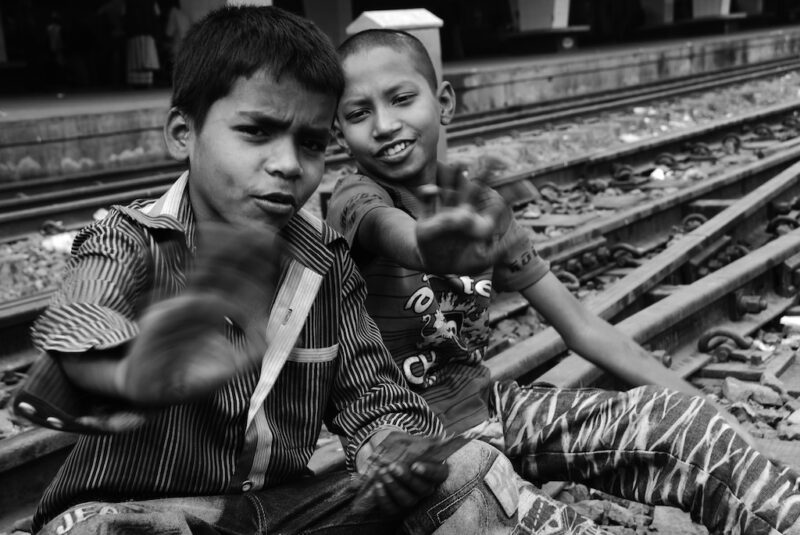
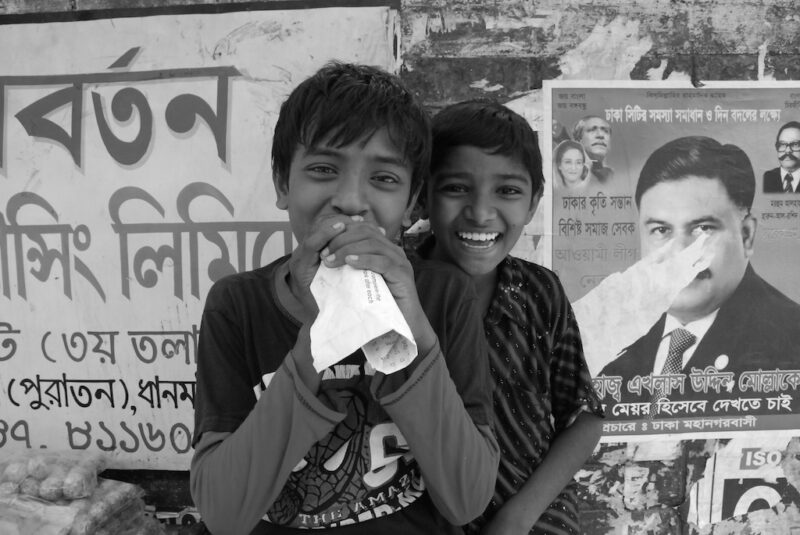
Nobody's children
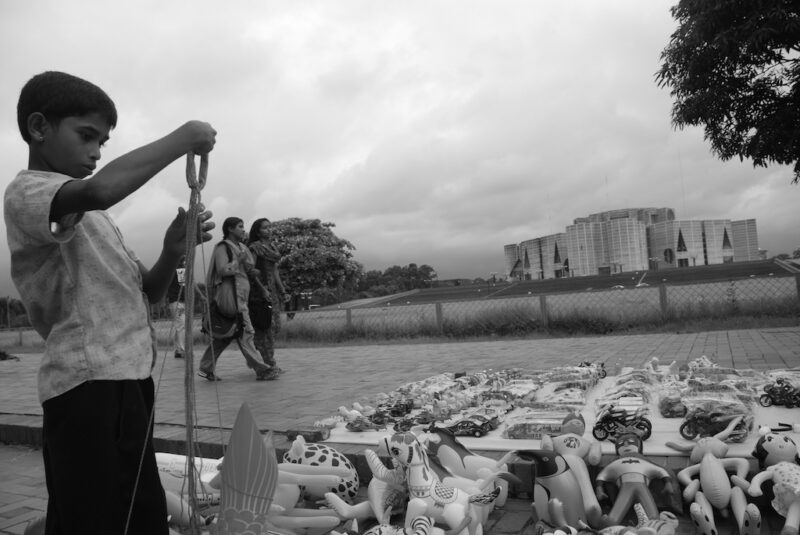
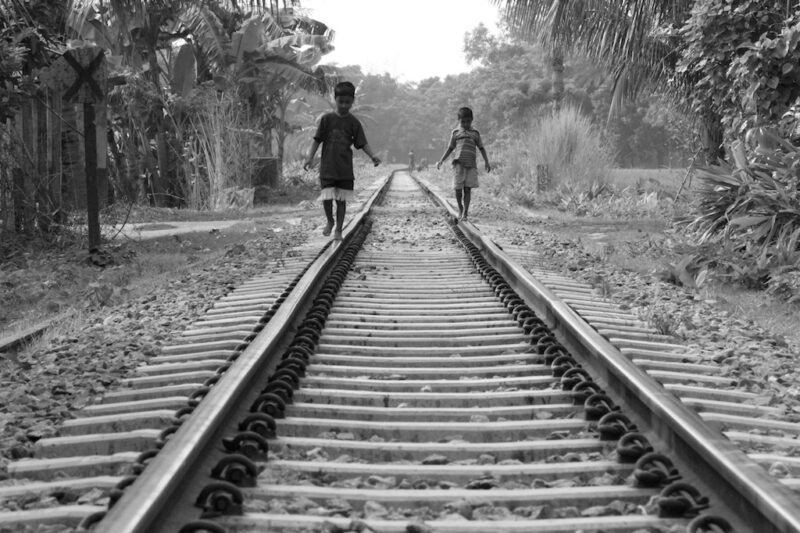
It’s estimated that more than 600,000 children live on the streets in Bangladesh, of whom 75% are in the capital, Dhaka. This huge number of children are out of school. Street children do not have definite living or sleeping places, and many die due to malnutrition, and disease. Their home is a rail station, parks, and abandoned houses. They often must work to survive, do not have access to healthy foods, which leads to the consumption of unhygienic food. The average daily income of street children is approximately $0.55.
In stark reality, starvation is an ever-present problem in the region, and each year, approximately 110,000 children die of water-borne diseases in Bangladesh. Some of them involve the lower echelons of organized crime, sexual trafficking, organized crime, and drug and substance abuse, under the leadership of ‘Mastaans’ gang leaders in Bangladesh.
It seems street children are ‘no one’s children, even though most of them have a father, mother, or parents. Without care, kids grow up in the streets and face exploitation every day.
Not only street children, but any children in this world, should not live in poverty, without basic rights and facilities. Due to a lack of educational facilities, these street children are losing their dignity. Education is necessary for them, as “education opens the door of possibilities” and creates an exit door for leaving inhuman life and suffering. However, education creates dreams, opens the eyes of consciousness, and builds confidence.
Good stories. In recent years, for street children, some NGOs have been operating free ‘Open Air Schools (OAS)’ in parks, rail stations, launch-bus terminals, and market places.
Climate Orphans
No more change in climate
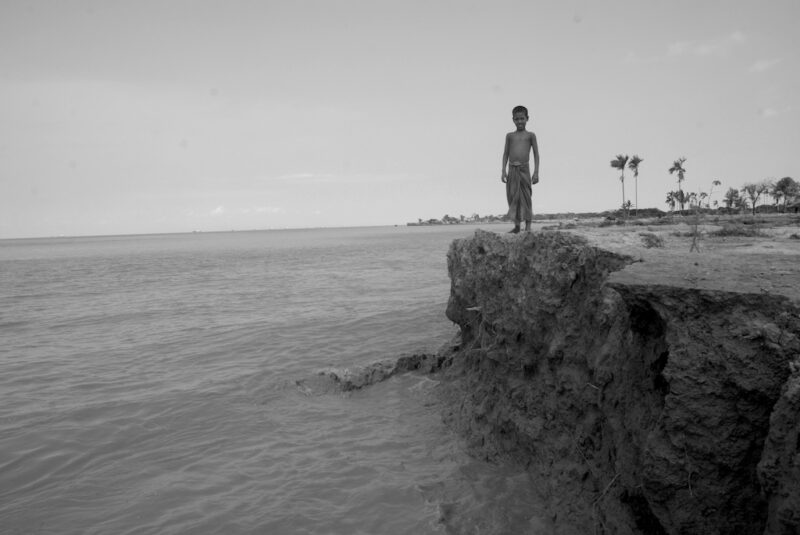
Among many climate change hazards, the ‘Sidr and Aila’ storms are catastrophic disasters in Bangladesh. In the years 2007 and 2009, these two catastrophic storms with floods killed at least 3770 people and affected thousands of acres of agricultural land that had been flooded by saline water. The most vulnerable victims of these disasters are poor children who lost their parents during the storm.
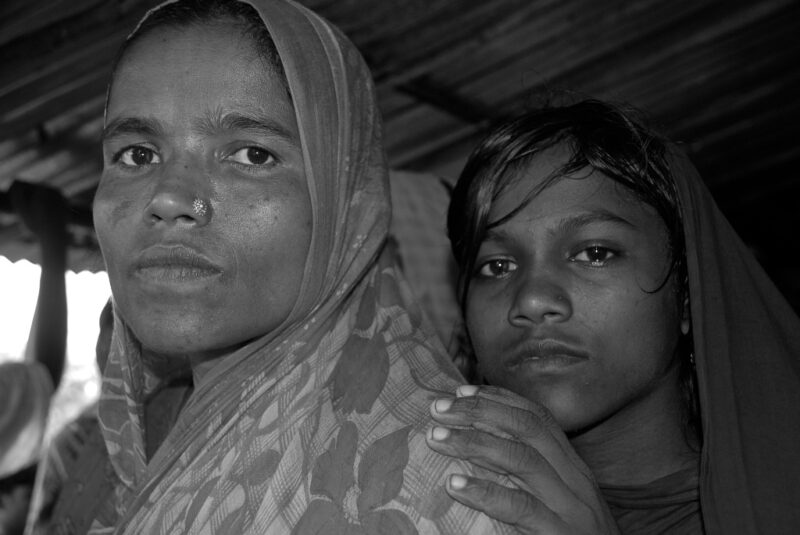
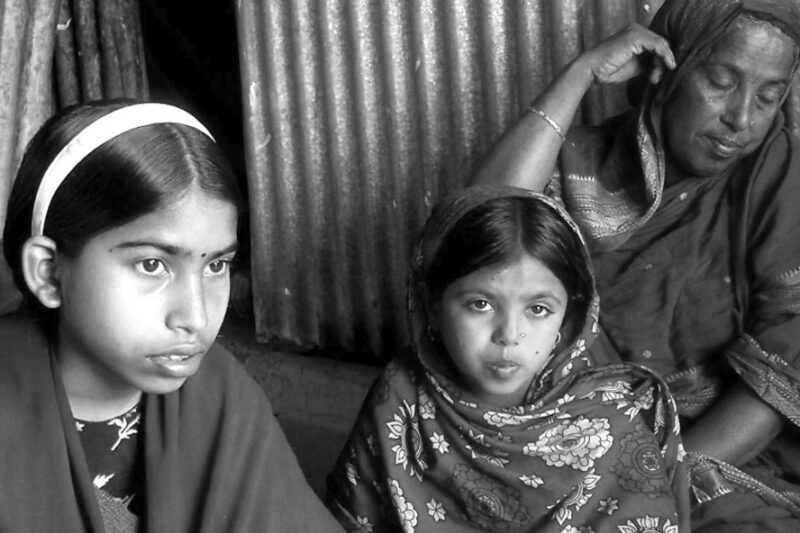
Gabtola and Bogirdosghor ( Shoronkhula ) are two villages in the coastal district of Bagharhat. Both SIDR and Aila Strom crudely attacked these two villages. More than 50 children have lost their parents in these two villages! They are now orphans—climate orphans.
Children who lose a father or parents to climate change disasters become poor. The students of disaster-prone areas drop out of school right after natural disasters, falling into the wells of poverty, migration, and child marriage.
Many children from poor families, particularly in the Char and Coast area districts, do not have access to primary education. The hundreds of schools and infrastructure are frequently destroyed. However, the level of resilience in the primary education system is low. Every year, over 350 primary schools in the villages also vanish. In a nutshell, climate change is undermining education in the southern coastal districts of Bangladesh.
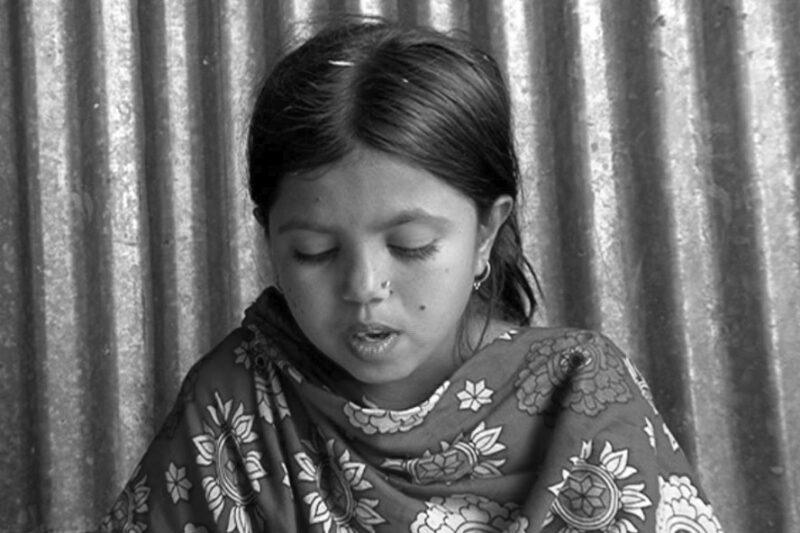
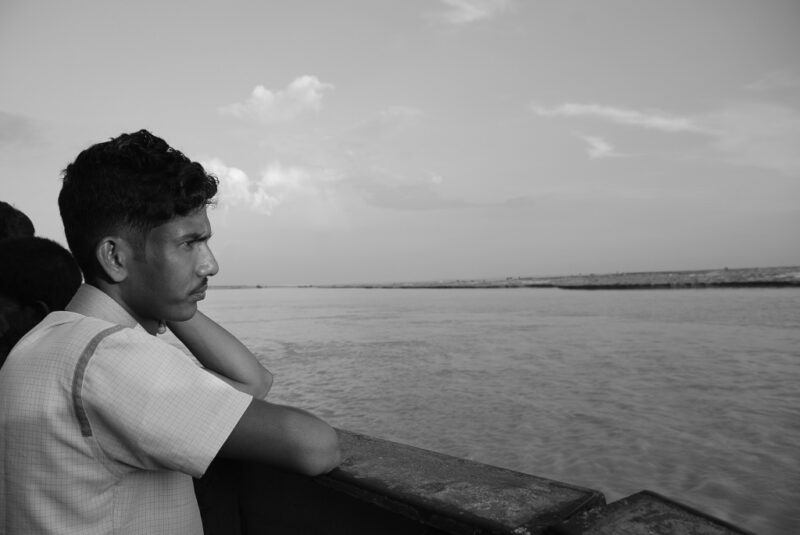
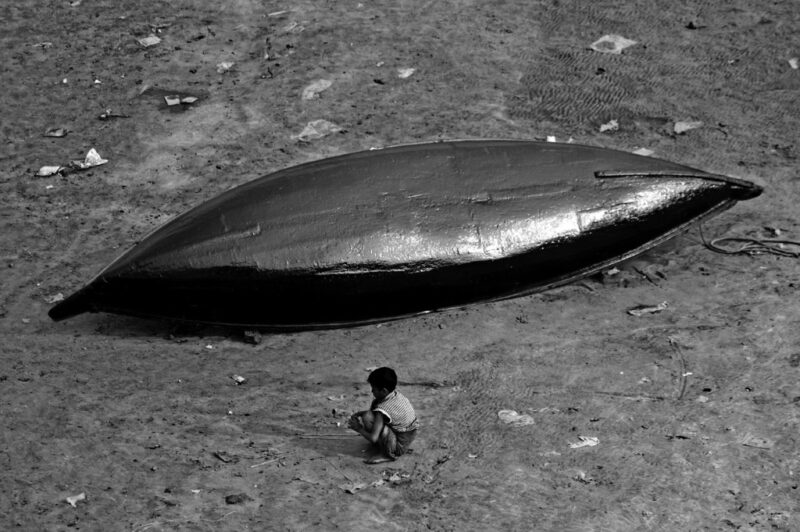
Audio Playlist
1. 'Climate Orphans' ( Audio Documentary )
Transcript from the Bengali language:
( Duration: 5.00 minutes, MP3 version )
Sidr and Aila are the most recent catastrophic disasters because of climate change in Bangladesh. In the year of 2007 and 2009 these two catastrophic storms with flood killed at least 3770 people and affect thousand arcs agricultural land which has been merged by saline water, however, limitless damage has been happened in both nature and life. The most victims of these disasters are poor children who lost their parents during storm.
Gabtola and Bogirdosghor ( Shoronkhula ) are two villages of costal district Bagharhat of Bangladesh. Both Sidr and Aila strom crudely attacked these two villages. More than 50 children have lost their parents in these two villages! They are now orphan, climate orphan. Lily is one of them.
– Voice of Lilly
“When water was coming, I went out of house and started running with my full energy towards cyclone centre! I was feeling like the way was not finishing! On the way, water pushed floated me and I started swimming! I saw; beside me, one girl is floating! I thought she is dead! Then I touched and said, are you alive ? She said, I am alive, I am Maksuda! Are you Lilly? Please hold my hand, do not leave me! I have lost everybody! Wherever I go will take you with me, so please follow me! I will also follow, Alright? Then I followed her to save my life! During storm, there was rain with big raindrops! I was injured with the big raindrops! During swimming I felt, I am having nightmare!
– Narration
Like other children, she also did not know the reasons of climate change, reasons of storm with flood! She only knew, her parents died during storm! She also returned from the door of death! She now lives with her widow poor grandmother. Her grandmother testimony is
“Just before a while of the storm whole River was pour! No water! Suddenly huge water came with big wave, pushed and overlaps around! To see the lightening bolt and clouds in the sky we assumed the storm is coming, we were hearing the roar of the sea! Just after the water wave came, pushed our house and broken most of all! After that, I do not know what was happen! I was senseless! In the early morning, I was feeling the storm would be stopped! I was hearing, the sound of names calling around with tears! Everybody was calling his or her missing relatives! I had lost Lilly and Rakibul from my hand! Then I also felt to search and started to call! However, I did not get any response! Suddenly I found both my brother and sisters together beneath a tree! Everybody was half-naked! There was no house, whole environment became plain-land with massacres! In the 5 days after disaster, I found Lilly’s mother under a tree but could not find her father! The death body was swelling up! We could not make funereal properly….
– Narration
Her younger brother Rakibul also could save life! As he was a little boy, cannot remember all but try to recall that bitter experiences
– Rakibul’s voice
“I was alone in the road! When water came, I jumped to save my life! The road also was covered by water! After that, rescue team came and save me!…”
– Narration
Although Lily is an orphan but did not lose hope to live life! She lives in a broken hut with grandmother! She lives with dreams, regularly goes to school and singing song…
– Lily is singing Bangla folk song
Narration: Jahangir Alam
Script: Shahjahan Siraj
Production Associates: Sujit K. Paul
2. Interview of Climate Orphan Rahman
TRANSCRIPT
Question: Where were you during Aila? What time was it happened?
Rahman: We were listening to the roar of the sea from two miles away.. We were in Haor (water land) at that time. From there, we were madly running and came back urgently. Soon after taking shelter in cyclone center! Water current washed way our house and all things! Now we don’t have house, we have nothing!
Question: When did Aila storm happen?
Rahman: It attacked in day time. If it would be happened in night, we all might be washed away and died! We heard the sound of water from 2-3 km away. Water came and attacked our village with 4-5 feet high giant wave! We were scared of and surprised to see its hight and devastation!
Question: Where did people take shelter?
Rahman: Most of the people had taken shelter in cyclone center. At that day some people took shelter in the rooftop of the building and some others took shelter beneath the big tree as well.
Question: How is your life now?
Rahman: We are now getting government’s relief. They are giving some fried rice, rice, cookies, saline etc. Now, we barely can eat ! After devastating Aila many people have been suffering deadly diseases especially for diarrhea. Here we are having acute crisis of safe drinking water. The area have been filled with saline water. We cannot even use this water for other purpose!
Question: Have you ever seen such storm before?
Rahman: No! I have never seen in my entire life before! I have previous experience on storm but never seen this kind of devastation like this ! My father was died in cyclone also when I was child!
The interview was taken on, 28 May, 2009 by Shahjahan Siraj , Next day of Aila. Raman is a climate orphan. He has lost his parents with the storm which happened just before the Aila.
জলবায়ু এতিম আবদুর রহমানের সাক্ষাৎকার
প্রশ্ন: আ্যইলা যেদিন হ্ইছিল তখন তুমি কোথায় ছিলা ? কেমনে দেখছিলা বল তো?
রহমান : যেদিন হয়ছিলো, সেদিন আমরা বিলে ছিলাম, মাঠে ছিলাম। মাঠে থাকার পরে তোমার, পানির শব্দ পেয়ে মানে বাড়িতে ছোটাছুটি করে আসি, মা-বাপ, ভাই বোনদের নিয়ে সাইক্নোন সেন্টারের গিয়ে আশ্রয় নিলাম। আর বাড়িতে পানি আইসা চাল, চুলা পানির ভিতর ভাসিয়ে ফেলেছে। ঘরবাড়ি নাই।
প্রশ্ন: আ্ইলা কি দিনে হয়েছিলো না রাতে হয়েছিলো ?
রহমান: দিনে হয়েছিলো এটা । রাতে হলে তো্ আমরা বাঁচতাম না। রাতে হলে তো প্রায় অর্ধেক মানুষ মারা যাইত। পানির হইছিলো, পানির শব্দ শুনে তো আমরা মেলা দূর থেকে টের পায়ছি। প্রায় ২কিলো ২.৫ কিলো দূর থেইক্যা পানির শব্দ পাইছি আমরা। ৪- ৫ ফুট উচু হইয়া পানি আইছে। আমাদেরকে উপর আক্রমন করেছে।
প্রশ্ন: আইসা কো্থায় উঠছিলা ?
রহমান: সাইক্নোন সেন্টারে । কেউ দুতলা, কেউ তিনতলা বিল্ডিং, কেউ একতলা বিল্ডিং উপরে, কেউ গাছের উপরেছিলো, কেউ কলার ভেলা বানিয়ে তার উপর ছিলো। সেদিন রাএে।
প্রশ্ন: এখন কেমনে চলতাছ তুমি ?
রহমান:এখন সরকার থেকে চিরে ,চাউল,বিস্কুট-মিস্কুট, ,এটা-সেটা , স্যালাইন, ট্যালাইন দিছে। এই খেয়ে আমরা বেঁচে আছি। কোন সময় খাচ্ছি, কোন সময় খাচ্ছি না । এইরকম দিন যাইতেছে। অনেক লোক অসুস্থ হয়ে মারা যাচ্ছে। ডায়রিয়া হচ্ছে, ভালো পানি পাচ্ছে না। লোনা পানিতে গোসল করতিছে ।
প্রশ্ন: আচ্ছা, এই যে ঝড়ডা হইলো, এর আগে কোন ঝড় দেখেছো তুমি ?
রহমান: এর আগে এরকম ঝড় আর দেখিনাই। ঝড় দেখছি, তবে অনেক ছোট ছোট; কিন্তু এরকম বড় ঝড় আর দেখি নাই। এইবার পানির চাপ বেশি । এরকম উচ্চা পানি আর কোন সময় দেখি নাই।
3. Testimony of Climate Orphan Adhori
TRANSCRIPT
There were colossal wind and water flow. I float in the water. I asked to rescue, but could not get anyone. I got a moving table in the water flow. I am holding that one. My clothes are torn. One old man rescued me from the water while floating near the cyclone center. He asked me for the address.
I was seriously sick in the cold water. They hated me for hitting cloth. After that, give me some food. i was crying in the cyclone center. My grandmother was also rescued by one uncle. I did not have cloth. The uncle gives him his shirt to wear. After two days, I got relief and food ( but I lost my mother and father )
4. Testimony of Climate Orphan Lall
TRANSCRIPT
My neighbor’s uncle, who calls the Adhan (calling for prey), was cringing in Adhan. He said,
Why am I feeling very hot?
After listening to his words, I looked at the huge amount of water in the field. My mother said to my grandmother,
– I am giving my children to, please take care of them!
After that, the mother jumped into the water, and said,
– My sister is under the tree. My brother floated with a flow of water. (I have to save them.)
My grant ma said,
– You don’t leave me, and I would not leave you. Please always catch me.
– I did not leave. I was holding Grandma’s hair.
I said,
– I will not leave you. If you die, I will die too. By this time, the ‘saline water flood’ was getting thicker. We went out over a wood. After that, I left the hands of my grandmother. I was to move with flood current, I’ve been moved to the Cyclone Center. I was trying to swing but could not move ahead! In the meantime,
I saw a girl floating. I asked,
– Are you dead or alive?
She answered I don’t die! I’m Makchuda. Are you Laila?
I said, yes, I am!
I said you would not leave me. Please follow me, please go where I go. If I don’t die, you also do not.
( A group of people rescued me).
During the flood, big raindrops were falling. I was feeling paid. In the water, I was feeling like I was in a dream, but had awakened.
5. Testimony of Climate Orphan Rakibul
TRANSCRIPT
( During flood and storm ) I came alone from that side of the road where was flood. I jumped into the water. There was huge water and flower on the road. In far why huge lighting was happed I could not understand. With fear. I ran to the house.
By Born Refugees
Big dreams in small rooms
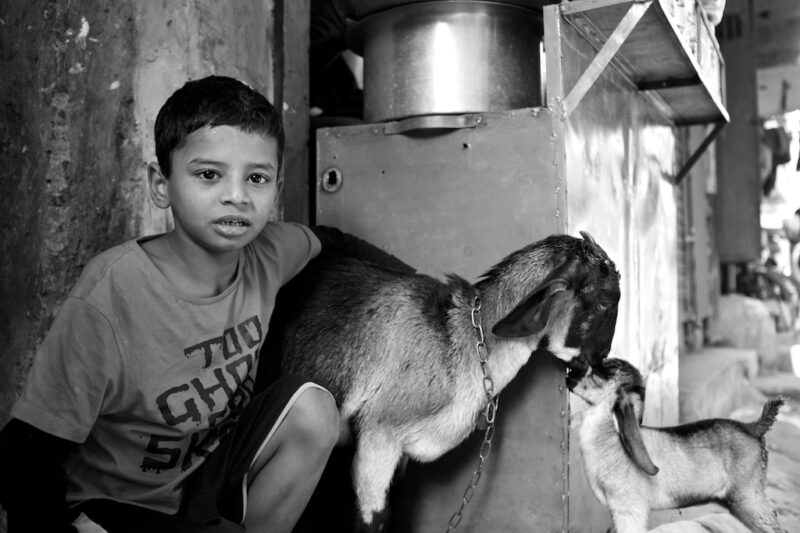
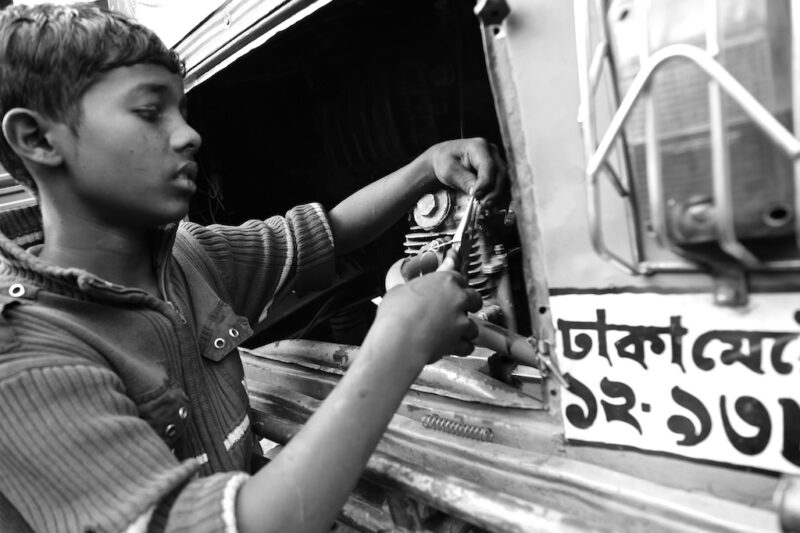
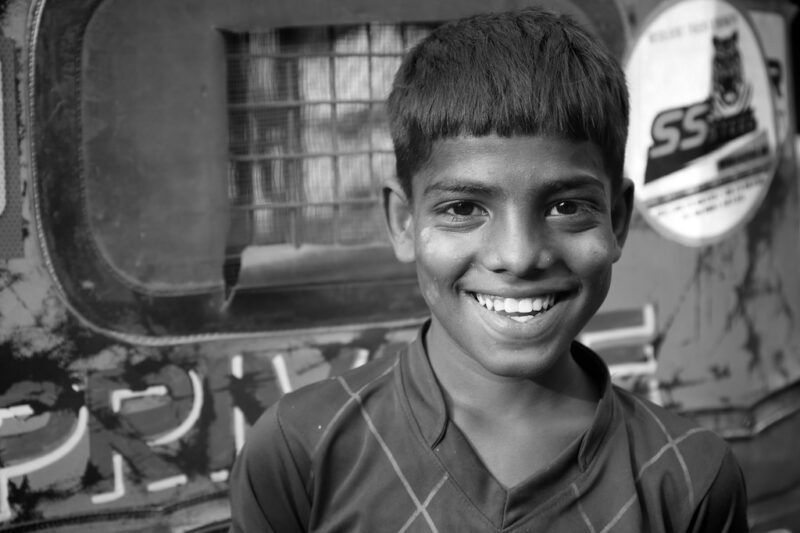
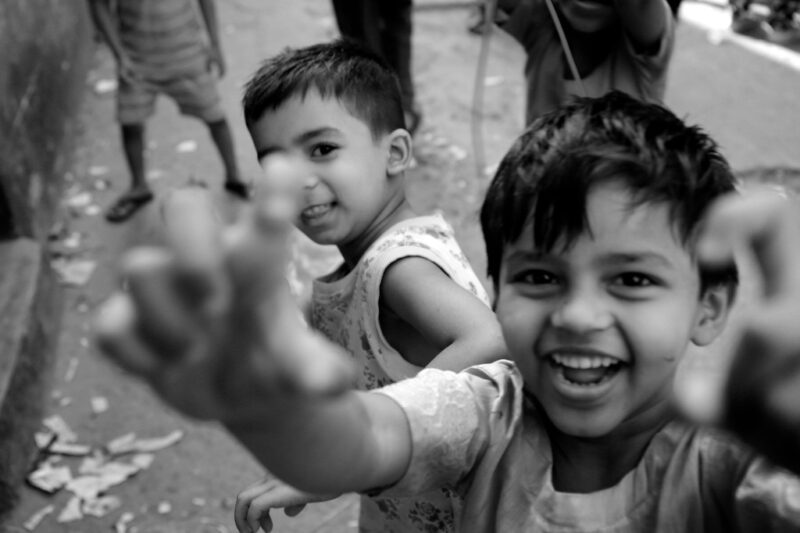
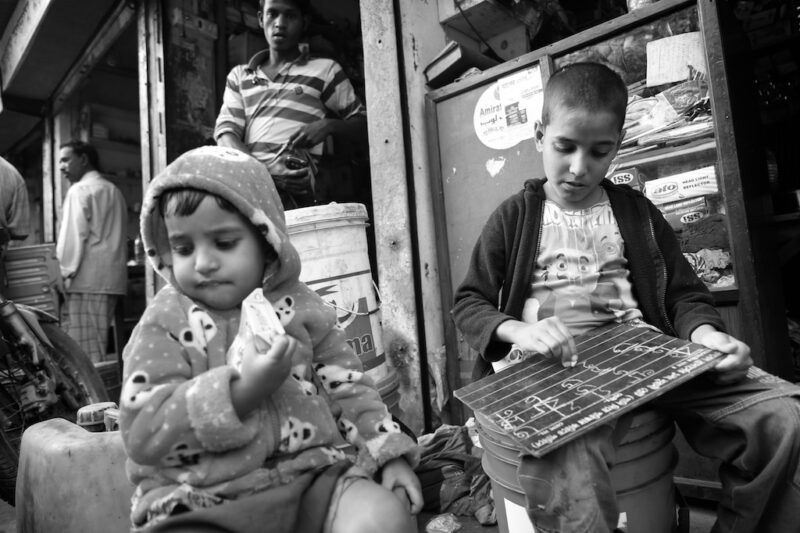
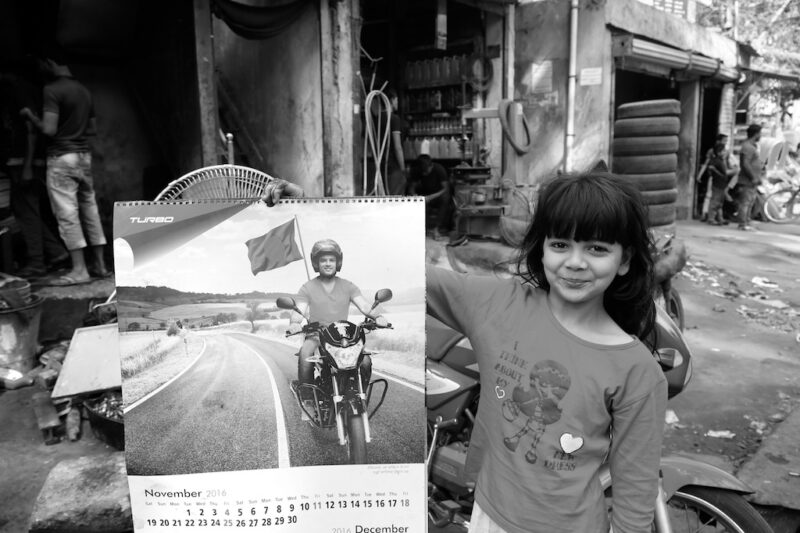
Over 500,000 stranded Pakistanis live in 70 camps, known as the Bihari community. In 1972, the number was 270,000, but it has now almost doubled. There have been people leading inhuman lives since the end of the 1971 War of Liberation. Three generations have already passed, and the children are growing up without education, national identity, passports, and citizen facilities. As human rights require, children who are born in Bangladesh should get Bangladeshi citizenship, but they don’t. Many of the camp dwellers still want to get Bangladeshis back to Pakistan.
In cruel reality, the children don’t get admission to general schools. The refugee camps are highly densely populated. The survey of (Refugee and Migratory Movements) showed, that 94% of the Bihari community is illiterate. The trends are going with the same tendency toward poverty and a lack of vision. In small rooms, 8 to 10 people live. On average, 90 people share one. The new generation lives in rooms but has a big dream of being a good citizen. The number is very small, but many of the young people become educated.
There is only one school in Dhaka’s Geneva Camp. The slum culture and environment are not favorable for children’s education.
They are not well accepted by mainstream Bangladeshi society for their links to the enemy country, Pakistan. They speak Urdu, which is also not respected in Bangladesh as it was a competitor to Bengali during the 1952 language movement. Even someone who is educated, finds it hard to get an official job.
Along with the largest refugee camp, ‘Geneva Camp, Bangladesh has another of the world’s largest refugee camps, ‘Kutupalong Ruhinghya Camp’, where over 920,000 Rohingya refugees live. They also live with the risk of disease outbreaks, fires, and monsoon rains.
( AUDIO ) Testimony of a By Born Refugee
TRANSCRIPT
[ Testimomy of Mahraj (35), a Refugee, who born in Dhaka Geneva Camp, but don’t have Bangladeshi citizenship. ]
0.00: Brother, forty-five years have passed today. We have been living in this Geneva refugee camp.
0.07: Our parents and grandparents were put here as Pakistani refugees because their language was Urdu (the Pakistani Language during the liberation war, 1971 )
0.18: Many years have passed. We are still called refugees. Even today, we are called stranded Pakistanis. We are not Pakistani.
0.23: Today, there is no respect for us. We don’t have civil rights and freedom. We can not take house rent outside of this camp, ( we can not send our children to general schools )
0.28: Brother, my question is, a person who was born in the USA becomes born US citizen, right? If a Bangladeshi-origin child is born in India or China or else, gets by-born citizenship, not called Bangladeshi. Our parents are here in Bangladesh. We were also born here.
0.43: We were born in Bangladesh, but why we can not be Bangladeshi? But our parents, our grandparents, are Bangladeshi, and we all are born in this land of Bangladesh. Still, we have been called Pakistanis. It is a very strange reality!
0.55 – We are facing trouble and restriction everywhere. Why? Our life has been seriously affected. We are victims!
1.02: We can sacrifice our lives for this country like other citizens. But we can not live with equal rights, equal opportunities, and dignity! We are the same human!
1.13: We eat here, we drink here; we grow here, even our grave will be in this Bangladesh, we are not getting standard Bangladeshi identity.
1.17 – My house is in Bangladesh. We also sing the national anthem ( Shunar Bangladesh… Hi my golden Bangla, I love you. ). Our mother tongue is Urdu. But our state language is Bengali (we can speak both). For knowing several languages ( Urdu, Hindi, Bengali, and English ) one’s values should be increased, but in our case has been decreased. We are fully eligible to be a Bangladesh. ( I demand our by-born citizen dignity)
—
( From Bangla )
1.31: 45 years passed in this camp. Our parents and grandparents kept here temporarily our parents and grandparents.
1.37 – Four generations of us living in a small place (8×8 Sq Feet for each family). Now we are fourth and fifth generation running. Soon is coming another generation after me.
1.49- I have a wife, and I will have children. They are also bound to live in the camp, even if we don’t have a living place. Even though we are Bangladeshi, we are not called Bengalis. We are called Pakistanis, Bihari, Mawra etc. bad names. Why? Am I not born Bangladeshi?
2.01 – My mother’s language is Urdu. But my national language is also Bengali. Are there any not other languages in Bangladesh? Yes, have. But they are not suffering like us. We don’t have an option! We don’t know the reason! ( even we have high court declarations in favor of us)
2.19: Our four mortal generations have passed away! Will this also pass away? If you cooperate with us, yes, we can solve the problem. It will be good for us and the next generation.
2.39: The child of Bangladesh parents born in the US, are considered a US citizen. We were born here. Why will we not be Bangladeshi? Our name is associated with the name of Pakistan. ( and Urdu language. is the problem? ). We will not go to Pakistan anymore, we did not born in Pakistan, why we will be Pakistani?
2.57: Bangladesh is our birthplace. It will be our death place. Bangla is our Mother Tongue. (Please give us a Bangladeshi identity. )
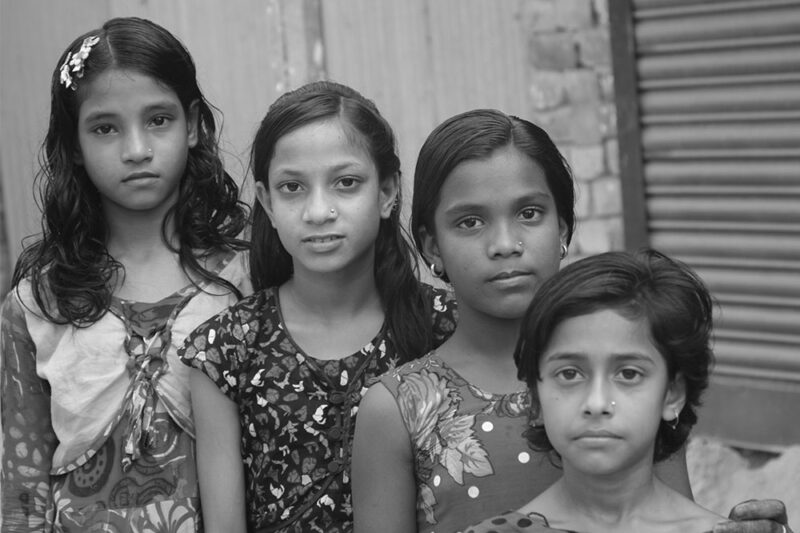
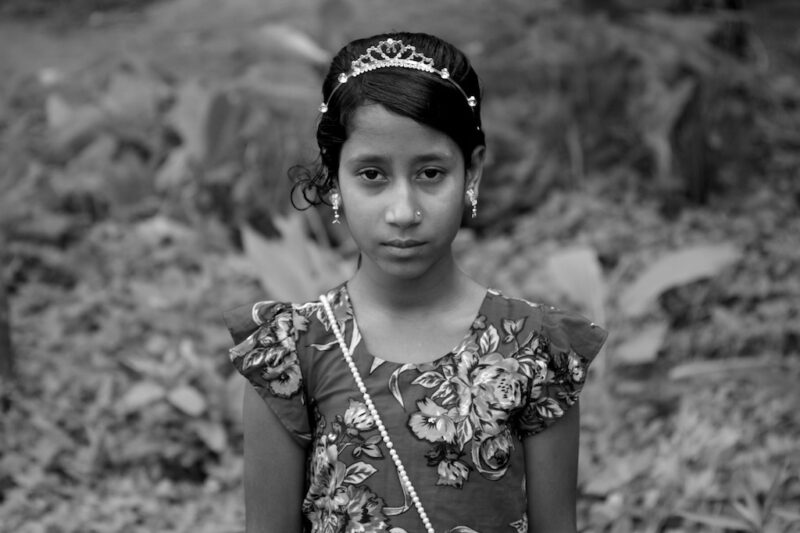
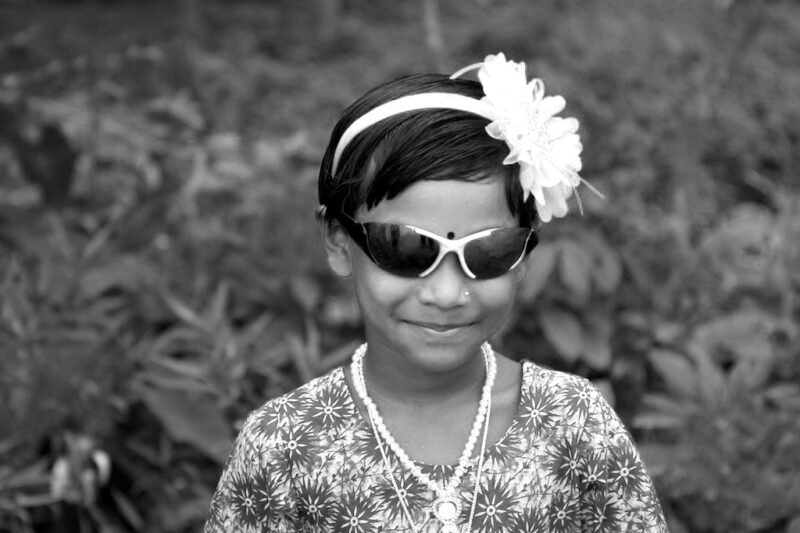
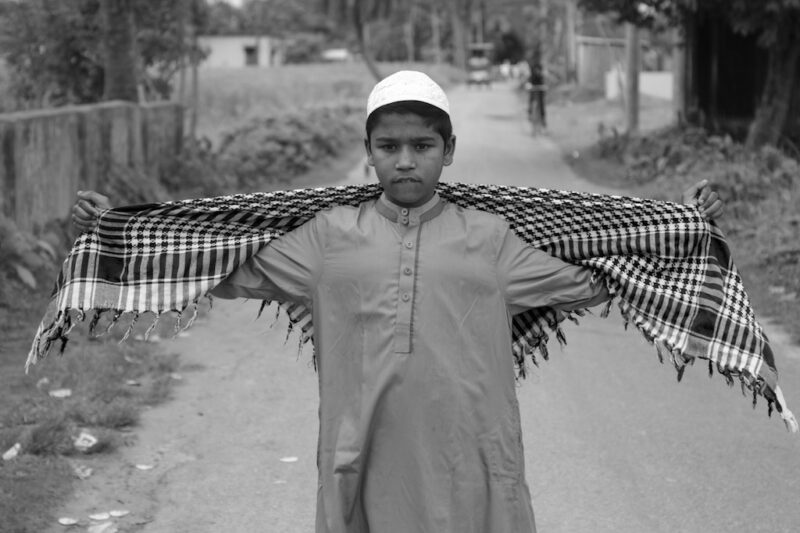
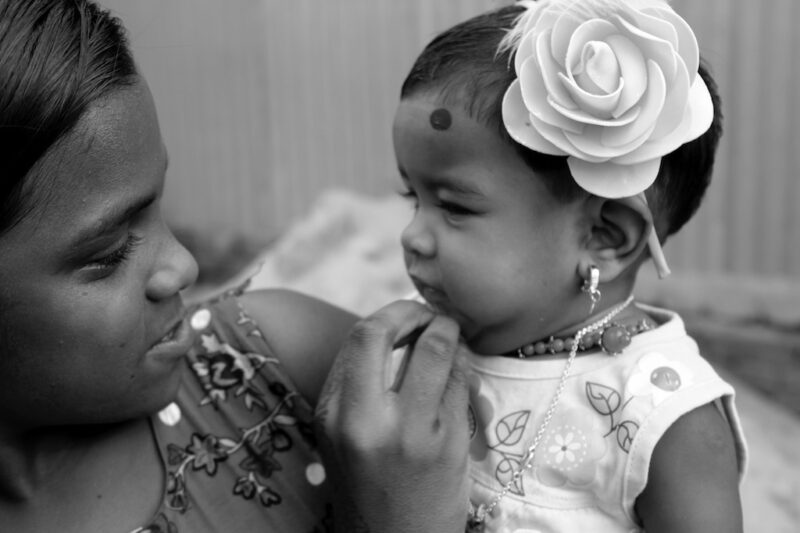
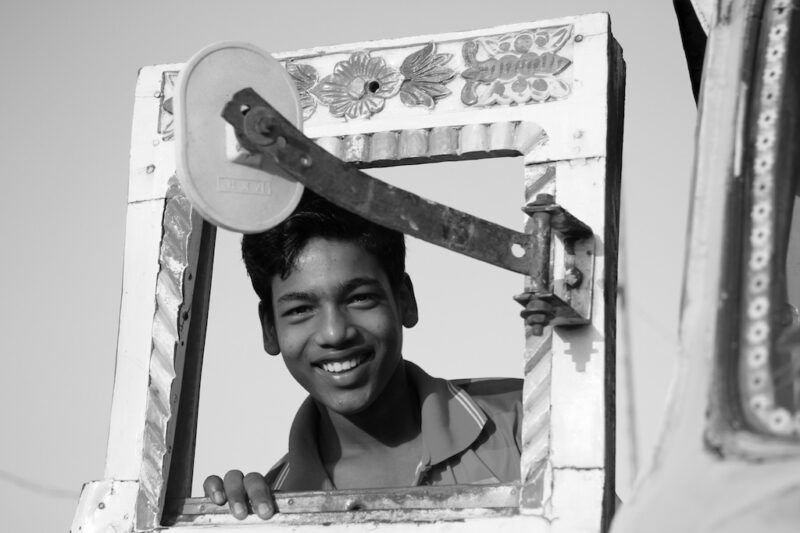
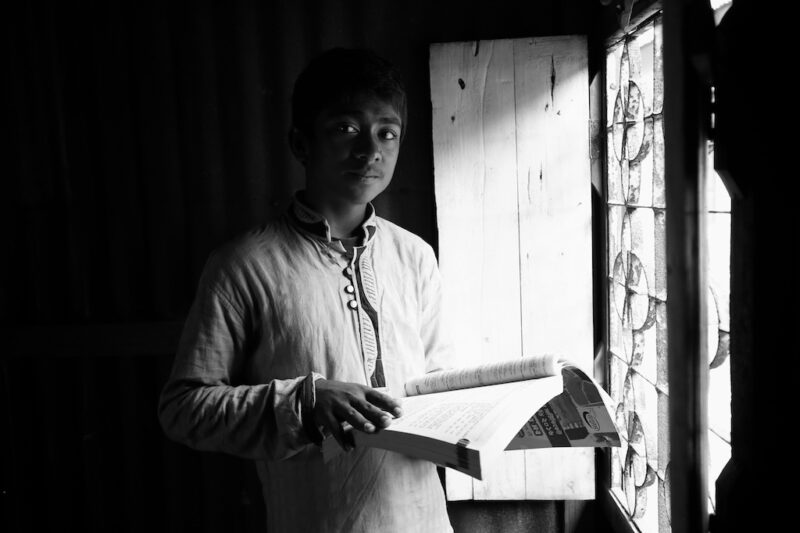
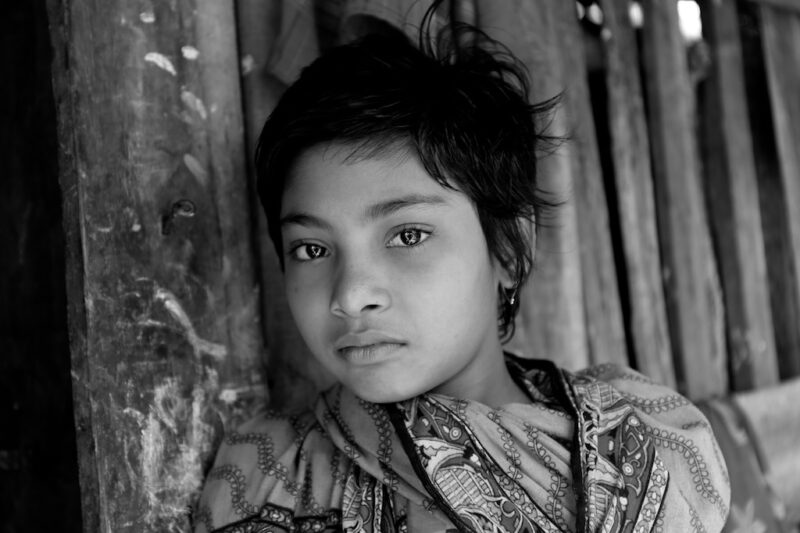
Rural Children
Fighting for Education
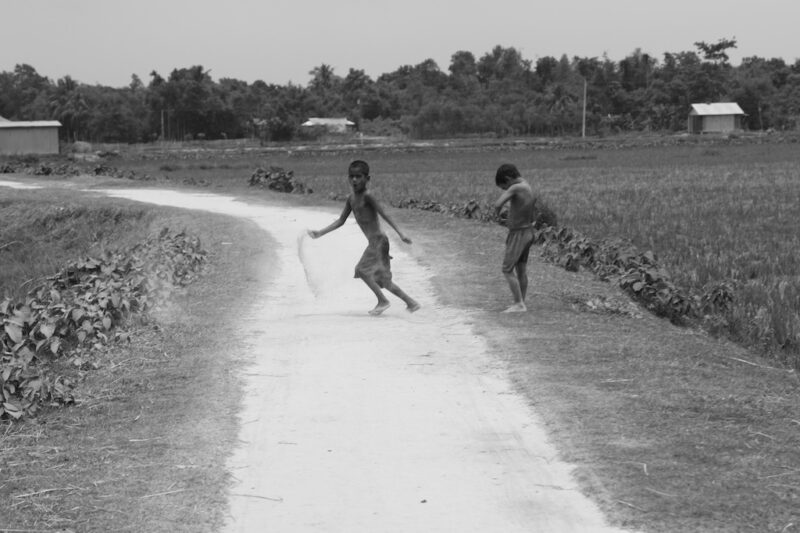
Frustrated by the shocking reality, most rural children have to give up on their dreams because of poverty, and non-cooperation from parents and society.
Improving the realities and motivations for education in rural Bangladesh is a big challenge. Over the last decade, Bangladesh has made significant progress in expanding access to primary education.
‘Education for All’ with these national mottos, 70 percent of children are enrolled in primary education. But this figure is estimated to be much lower in village areas. In stark reality, half the children who complete primary education, drop out of high school. They are unable to read, or write at the expected level. Due to the dominance of religious conservativeness, most girls become victims of “child marriage” before completing high school.
Moreover, in rural Bangladesh, there are very few teachers who can teach high school content as the students need it. In
Bangladesh, there are roughly 40,000 teachers short. The school also frequently suffers damage from disasters and climate change hazards, which is another big change for Bangladesh and other developing countries.
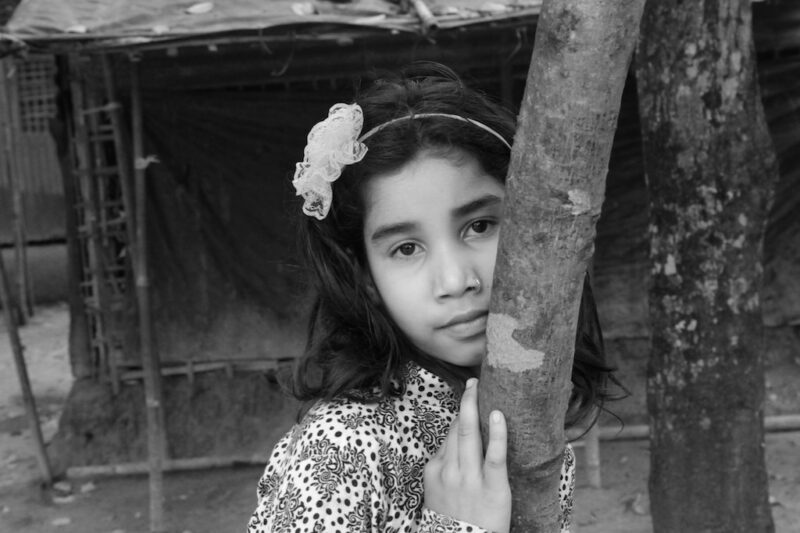
Rohingya Children
Evicted from Schools and Homeland
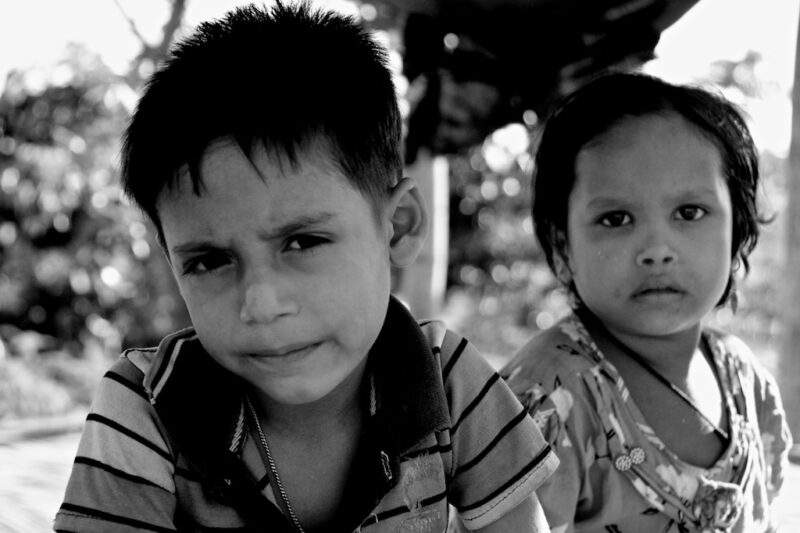
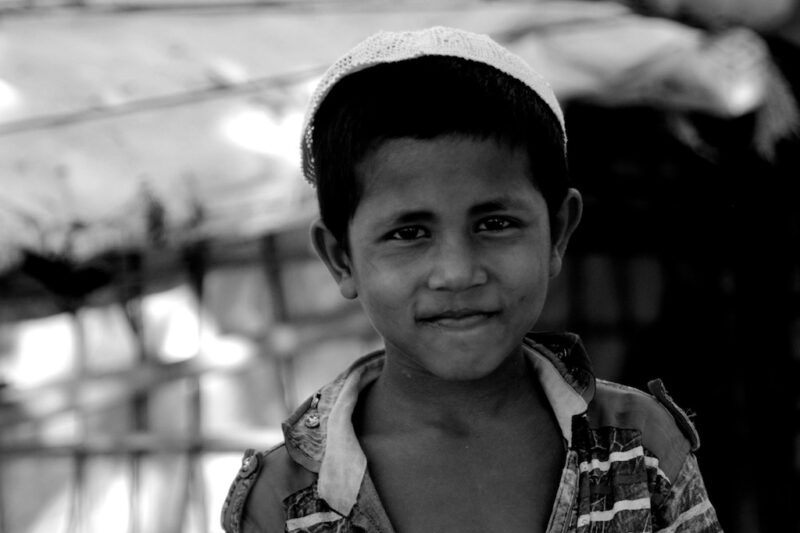
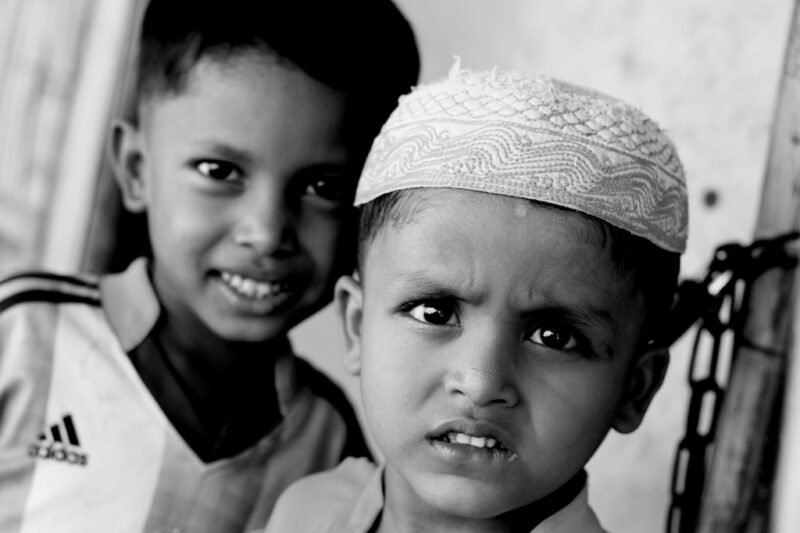
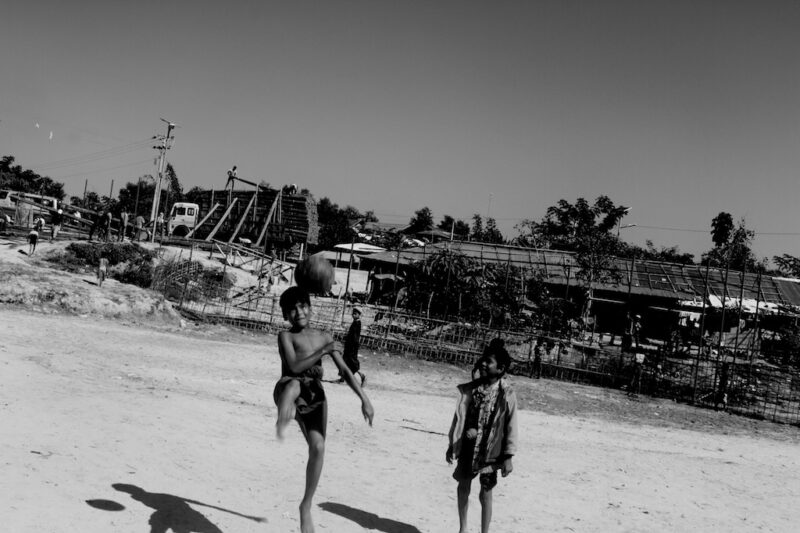
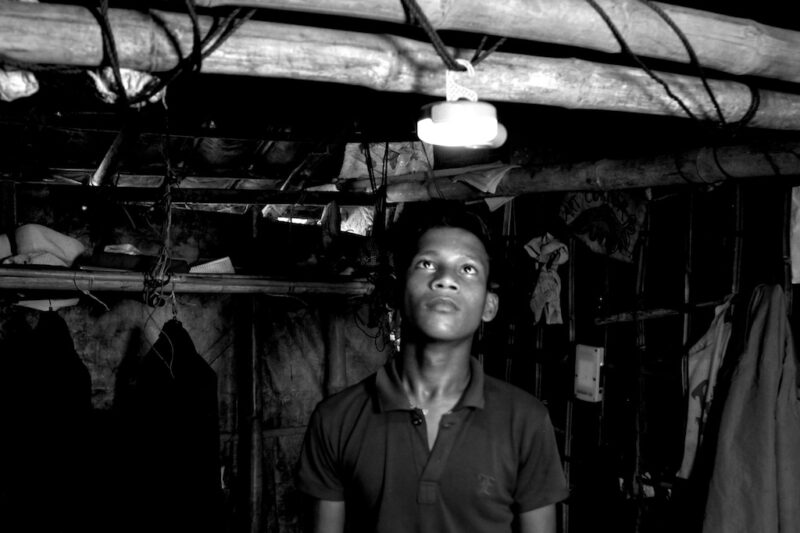
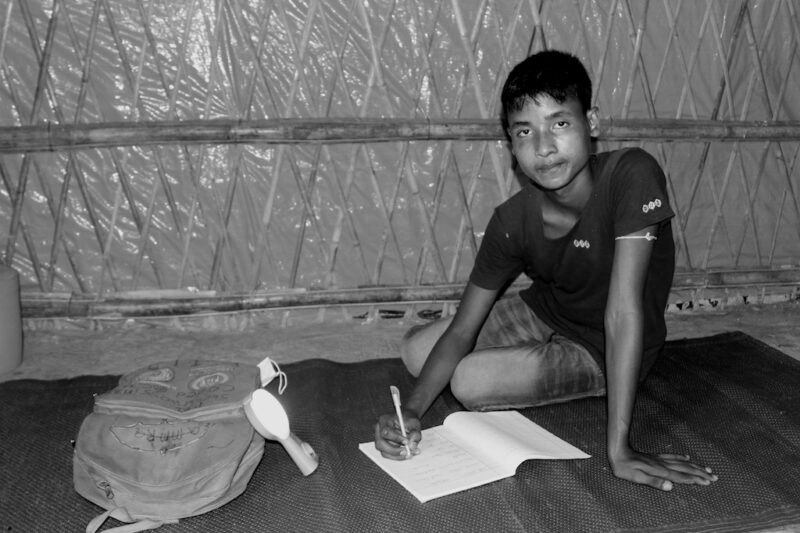
Every day, many children are born in camps. The entire generation is at risk of growing up in inhuman realities without education or basic life skills.
550,000 Rohingya children have lived in refugee camps in Cox’s Bazar and Bhashan Char since 2017. They have been denied access to education. Bangladesh prohibits teaching Rohingya children the Bangla language to ensure their return home. In this reality, UNICEF plans a big expansion of its program to educate Rohingya children in Bangladesh by 2023. It is piloting a project with the’ Myanmar Curriculum that reaches the first 10,000 children, but additional measures are still needed to boost school attendance in camps.
ABOUT
‘Dream of Underprivileged Children’ is the theme of this interactive, hybrid media documentary. The characters of the documentary have been defined as ‘Dreamless Children’ who are mostly tracked out of their dreams and education.
The video, audio, and photographs were made in Bangladesh by documentary filmmakers: Shahjahan Siraj and Jahangir Alam of Machizo Multimedia from 2009 to 2022. But the stories are common for all developing nations. To express the true realities correctly, the stories have been divided into five slots based on the social positions of the children.
Director Shahjahan Siraj is a Japan-based Bangladeshi-born documentary filmmaker who has worked on education, climate change, and social issues since 2001. Machizo Multimedia is the producer of this interactive documentary.
From this documentary, I hope the audience, concerned organizations, policymakers, and authorities will understand the total situation, which isn’t reported together in the mainstream media.